

Key Takeaways
Why the Scalp Is More Than a Hair Anchor
Most people think of the scalp as the place where hair grows — a passive platform. In reality, it is a dynamic layer of skin packed with sebaceous (oil-producing) glands, blood vessels, nerve endings, and a complex microbial community. Everything that affects skin health elsewhere on the body — hydration, inflammation, barrier integrity — applies equally here.
Hair strands themselves are dead protein structures. What determines their thickness, resilience, and rate of growth is the health of the follicle embedded in the scalp. A follicle deprived of nutrients, oxygen, or a stable microbial environment will produce weaker, slower-growing strands over time.
This framing matters because it shifts scalp care from a cosmetic concern to a genuine wellness practice. The skin care basics that apply to your face — gentle cleansing, barrier support, avoiding unnecessary irritants — translate directly to scalp health. Think of your scalp routine as an extension of whole-body skin care, not a separate category.
The Scalp Microbiome: Balance Over Squeaky Clean
The scalp hosts a diverse ecosystem of bacteria, fungi, and other microorganisms. A dominant fungal resident, Malassezia, is present on virtually every human scalp and plays a role in dandruff (seborrheic dermatitis) when it proliferates beyond normal levels. But the goal is not elimination — it is balance.
Aggressive daily shampooing with sulfate-heavy formulas can strip sebum, the scalp's natural oil, disrupting the barrier that keeps microbial populations in check. A compromised barrier often responds with increased oil production, creating the cycle of greasiness that prompts even more frequent washing.
Try Stretching Your Wash Interval
If you currently wash daily, try extending to every other day for two to three weeks. Many people find their scalp recalibrates its oil production within that window, reducing the greasiness that made frequent washing feel necessary in the first place. Give the adjustment time before concluding it does not work for you.
Research into the skin microbiome — still an emerging field — suggests that preserving microbial diversity is more protective than stripping the skin clean. For the scalp, this may mean washing less frequently, using gentler cleansers, and avoiding hot water that erodes the lipid barrier. The confidence and self-care framework applies here too: small, consistent habits outperform aggressive interventions.
Circulation, Stress, and Hair Growth
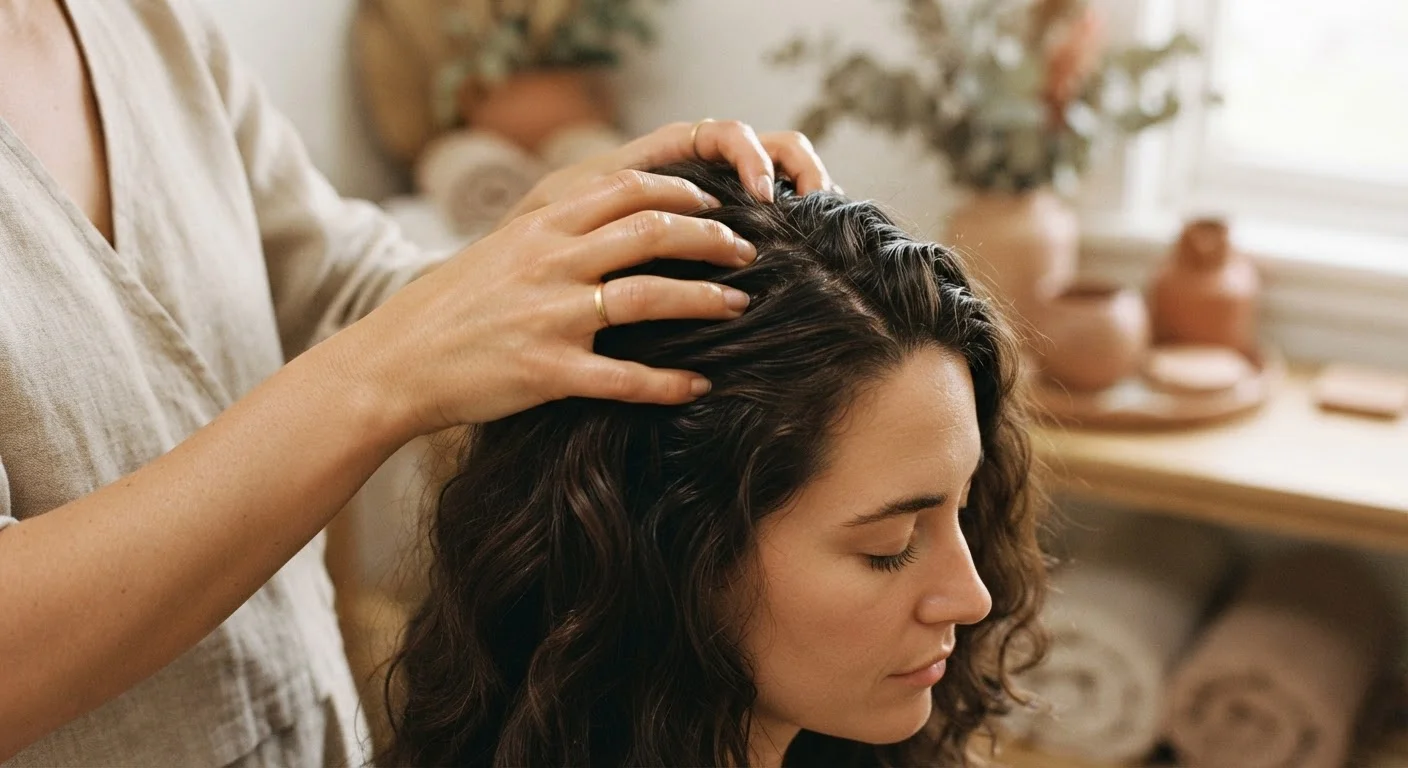
Hair follicles are among the most metabolically active structures in the body. They require a steady supply of oxygen and nutrients delivered through scalp blood vessels. Scalp massage — even a few minutes of gentle fingertip pressure — has been studied for its potential to temporarily increase local circulation. A small published study found that regular scalp massage was associated with increased hair thickness in participants over a 24-week period, though research in this area remains preliminary.
Chronic psychological stress is more clearly linked to hair health. The condition known as telogen effluvium involves a stress-triggered shift of hair follicles into a resting phase, leading to diffuse shedding weeks to months after a stressful event. This is a well-documented, reversible phenomenon in most cases — but it underscores how deeply interconnected systemic health and scalp health are.
When massaging the scalp, use the pads of your fingers — not your nails — and work in small circular motions from the nape of the neck forward. This technique targets the areas with the highest follicle density without creating micro-abrasions.
Nail contact with the scalp can cause tiny scratches that increase the risk of irritation and infection, especially on a scalp already prone to sensitivity or inflammation.
If you use dry shampoo regularly, apply it to the roots the night before you plan to wash rather than on the day. This gives it time to absorb oil without sitting on the scalp for extended periods, which can contribute to product buildup and follicle congestion.
Prolonged dry shampoo residue on the scalp has been associated with follicular plugging in some dermatological case reports, particularly with heavy or daily use.
Addressing stress through sleep, movement, and intentional rest is not merely good general advice — for hair health specifically, it has a biological rationale. The sensory self-care practices that reduce stress may also, indirectly, support a healthier scalp environment.
Natural Ingredients Worth Understanding
Several naturally derived ingredients have a reasonable evidence base or longstanding traditional use in scalp care. It is important to distinguish between what is established and what is still being studied.
- Tea tree oil: Has demonstrated antifungal and antimicrobial properties in laboratory settings. Diluted properly, it is commonly used for dandruff-prone scalps. Undiluted application can cause irritation.
- Peppermint oil: Preliminary animal and small human studies suggest it may support circulation when applied topically. Evidence is early-stage; dilution is essential.
- Rosemary oil: One small comparative study suggested rosemary oil applied topically performed comparably to a common hair-loss treatment ingredient over six months. Larger trials are needed to confirm this.
- Jojoba: Structurally similar to human sebum, jojoba oil is often used as a lightweight scalp moisturizer that may help regulate oil balance without clogging follicles.
None of these ingredients are treatments for diagnosed scalp conditions. They are general wellness-oriented additions to a mindful routine — consistent with the broader principle of choosing lower-irritant, more ingredient-transparent products.
Building a Low-Toxin Scalp Routine
"Low-toxin" does not mean eliminating all synthetic ingredients — it means being intentional about what you apply to a porous, sensitive skin surface. A practical scalp routine built on this principle might include:
- Wash frequency calibrated to your scalp type. Oily scalps may benefit from every-other-day cleansing; drier or textured hair types often do well with once-weekly or less frequent washing.
- Fragrance awareness. Synthetic fragrance is one of the most common contact allergens. Opting for fragrance-free or lightly scented formulas reduces unnecessary irritation risk.
- Scalp-specific exfoliation. A gentle scalp scrub or exfoliating rinse (such as diluted apple cider vinegar, which has a mildly clarifying effect) used occasionally can remove product buildup without disrupting the microbiome.
- Weekly oil treatments. Applying a small amount of a plant-based oil — jojoba, argan, or sweet almond — to the scalp before washing can support moisture retention and reduce inflammation signals.
- Scalp massage as ritual. Three to five minutes of fingertip massage at wash time costs nothing and may support both circulation and stress relief simultaneously.
This kind of routine is a form of intentional self-care — an approach explored more fully in skin care as self-respect. Simple, repeatable actions build the consistency that produces results over time.
When to Consult a Professional
General wellness habits can support a healthy scalp — but they are not substitutes for medical care when symptoms warrant it. Seek evaluation from a dermatologist or trichologist (a specialist in hair and scalp health) if you experience:
- Persistent or worsening dandruff that does not respond to gentle routine changes
- Scalp redness, pain, or open sores
- Noticeable or sudden hair shedding beyond what you consider normal
- Patchy hair loss or changes in hair texture
- Scalp itching severe enough to disrupt daily life
Many scalp conditions — including psoriasis, seborrheic dermatitis, alopecia areata, and fungal infections — require diagnosis and, in some cases, prescription treatment. Delaying care in favor of home remedies can allow these conditions to progress.
If you are pregnant, postpartum, or managing a chronic health condition, consult a healthcare professional before introducing new topical ingredients or supplements, as some may not be appropriate for your situation.
This article is for general informational and educational purposes only and is not a substitute for professional medical advice, diagnosis, or treatment. Always consult a qualified healthcare provider regarding any scalp or hair health concerns.