

Key Takeaways
Grooming as Inner Reflection
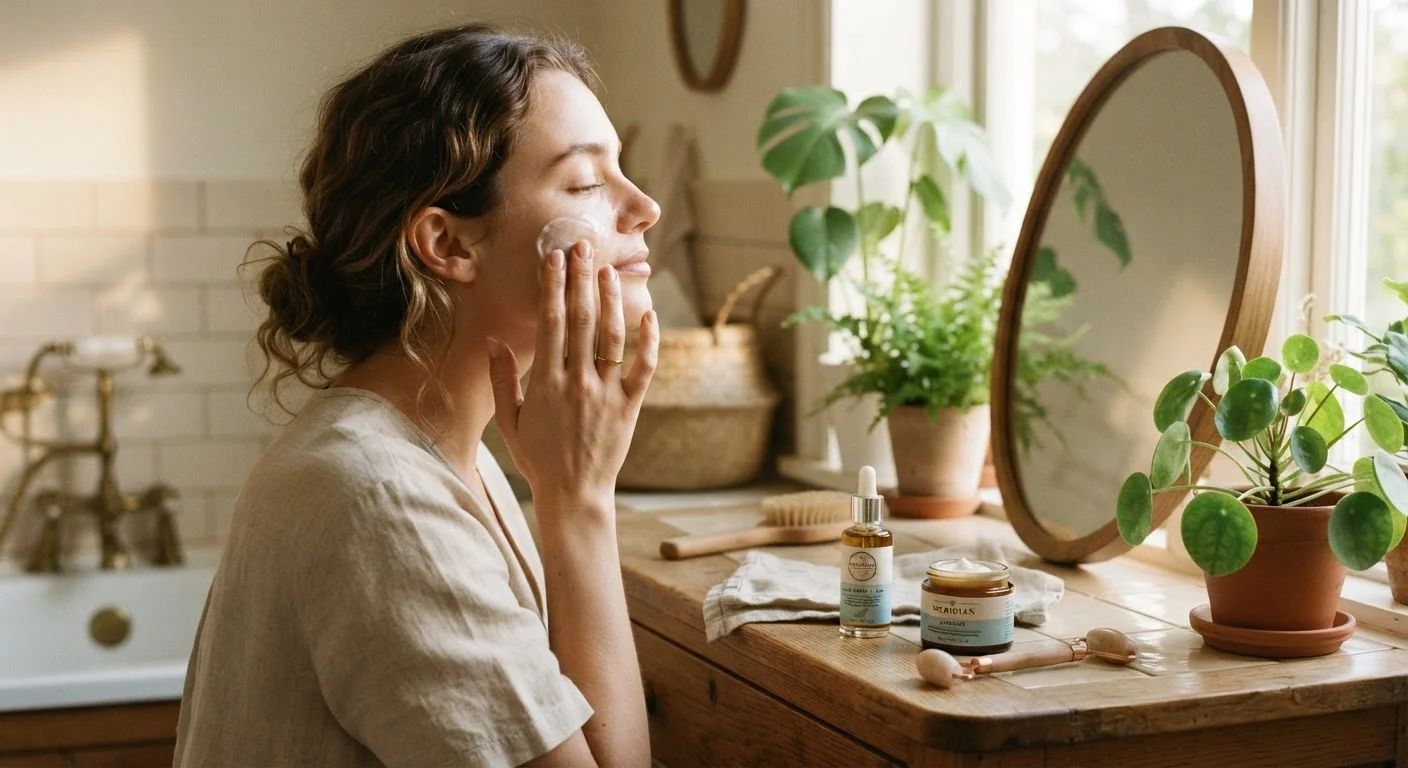
The idea that personal grooming and presentation habits are not merely cosmetic acts, but outward expressions of a person's emotional state, identity, and psychological relationship with themselves. When we tend to our appearance with intention, we are often also tending to how we feel inside. Conversely, changes in grooming habits can signal shifts in mood, self-esteem, or mental health.
Psychologists sometimes refer to this link through the lens of 'enclothed cognition' and behavioral activation — the principle that deliberate self-care behaviors can influence emotional and cognitive states, not just reflect them.
The Mirror as a Two-Way Window
Most of us think of grooming as something we do for others — to appear put-together at work, to meet social expectations, or to signal professionalism. But decades of psychological research suggest the relationship runs much deeper. How we care for our appearance is also a reflection of how we are caring for ourselves on the inside.
Behavioral psychologists have long observed that personal care routines are bidirectional: emotional state shapes grooming behavior, and grooming behavior can, in turn, influence emotional state. This is sometimes called behavioral activation — the principle that taking purposeful action, even a small one like washing your face or styling your hair, can generate a subtle but real shift in mood and motivation.
This doesn't mean appearance equals worth. Rather, the act of tending to oneself — deliberately, with some degree of care — communicates something internally: that you are worth attending to. See how skincare routines can function as emotional anchors rather than purely aesthetic practices.
“What we do with our bodies — how we dress, how we maintain ourselves — is not separate from our psychological life. It is part of the text through which we read our own identity.”
— Carolyn Mair, Psychologist and author specializing in fashion and behavior
When Outer Habits Signal Inner Shifts
One of the clearest demonstrations of the grooming-inner life connection is what happens when emotional wellbeing declines. Mental health professionals commonly note that withdrawal from personal care — skipping showers, abandoning a skincare routine, neglecting hair or clothing — is often among the first observable signs of depression, anxiety, grief, or burnout.
This isn't a character flaw. It reflects the genuine cognitive and motivational costs of emotional distress. When internal resources are depleted, even simple self-maintenance tasks can feel overwhelming. Recognizing this pattern — in yourself or someone you care about — is clinically meaningful information, not a judgment.
~30%
Adults reporting low self-care during depressive episodes
Mental health surveys consistently find that self-neglect, including withdrawal from personal hygiene and grooming, is among the most commonly reported behavioral symptoms of depressive episodes.
2x
More likely to report positive mood after intentional morning ritual
Studies on behavioral activation and structured morning routines suggest that individuals with consistent, purposeful morning habits report significantly higher morning mood scores compared to those without routines.
The inverse is also true. Research into enclothed cognition, a term coined by social psychologists to describe how clothing and appearance affect the wearer's psychology, suggests that deliberate presentation choices can strengthen focus, confidence, and even performance in daily tasks. The mechanism isn't magic — it's meaning. When we dress or groom with intention, we activate an internal narrative about who we are and how we want to move through the world.
Grooming Across Life Stages and Identity
The relationship between grooming and inner life isn't static — it evolves with age, circumstance, and identity. During adolescence, appearance becomes intimately tied to peer belonging and the formation of a distinct self. For new parents, maintaining even a minimal personal care routine can function as a psychological lifeline during an identity-disrupting transition. For older adults, consistent grooming is associated with dignity, autonomy, and positive aging.
What this tells us is that the content of a grooming routine matters less than its intentionality and regularity. A simple, five-minute morning ritual performed with full presence can carry more psychological weight than an elaborate regimen executed on autopilot. This is the core insight explored in the distinction between ritual versus routine in beauty habits — intention transforms the act.
It's also worth noting that grooming choices carry cultural and personal meaning that goes beyond wellness frameworks. Hair, clothing, and skin practices are expressions of heritage, community, and individual narrative. Honoring that complexity is part of a respectful understanding of self-care.
Start Small When Motivation Is Low
If your grooming routine feels overwhelming, reduce it to its smallest meaningful form — even one intentional step counts. Washing your face, applying moisturizer, or combing your hair can re-establish a sense of agency without requiring significant energy. Rebuilding from minimal anchors is far more sustainable than abandoning the routine entirely.
Practicing Intentional Presentation
Building a more intentional relationship with grooming doesn't require overhauling your entire routine. Small, consistent practices tend to generate the most durable psychological benefit. Consider these evidence-informed principles:
- Anchor your routine to a consistent time: Morning or evening rituals tied to existing habits are easier to maintain and become reliable emotional touchpoints.
- Engage your senses mindfully: Notice textures, scents, and sensations during your routine. This light mindfulness practice reduces stress and draws you into the present moment — principles central to daily mindfulness habits.
- Separate grooming from performance: The goal is self-care, not a specific aesthetic outcome. Shifting focus inward reduces appearance anxiety and increases the emotional reward of the practice.
- Track mood patterns: If you notice grooming feels consistently effortful or unappealing, treat that as useful information about your emotional state — and consider discussing it with a healthcare provider.
For a broader view of how self-care practices build lasting confidence, habit science and emotional wellbeing research offer a compelling framework.
This article is for general informational and educational purposes only and is not a substitute for professional medical, psychological, or mental health advice. If you have concerns about your mental health or wellbeing, please consult a qualified healthcare professional.