

Key Takeaways
Summary
22 items · 15–30 minutes
Why Your Environment Is a Sleep Variable You Can Actually Control
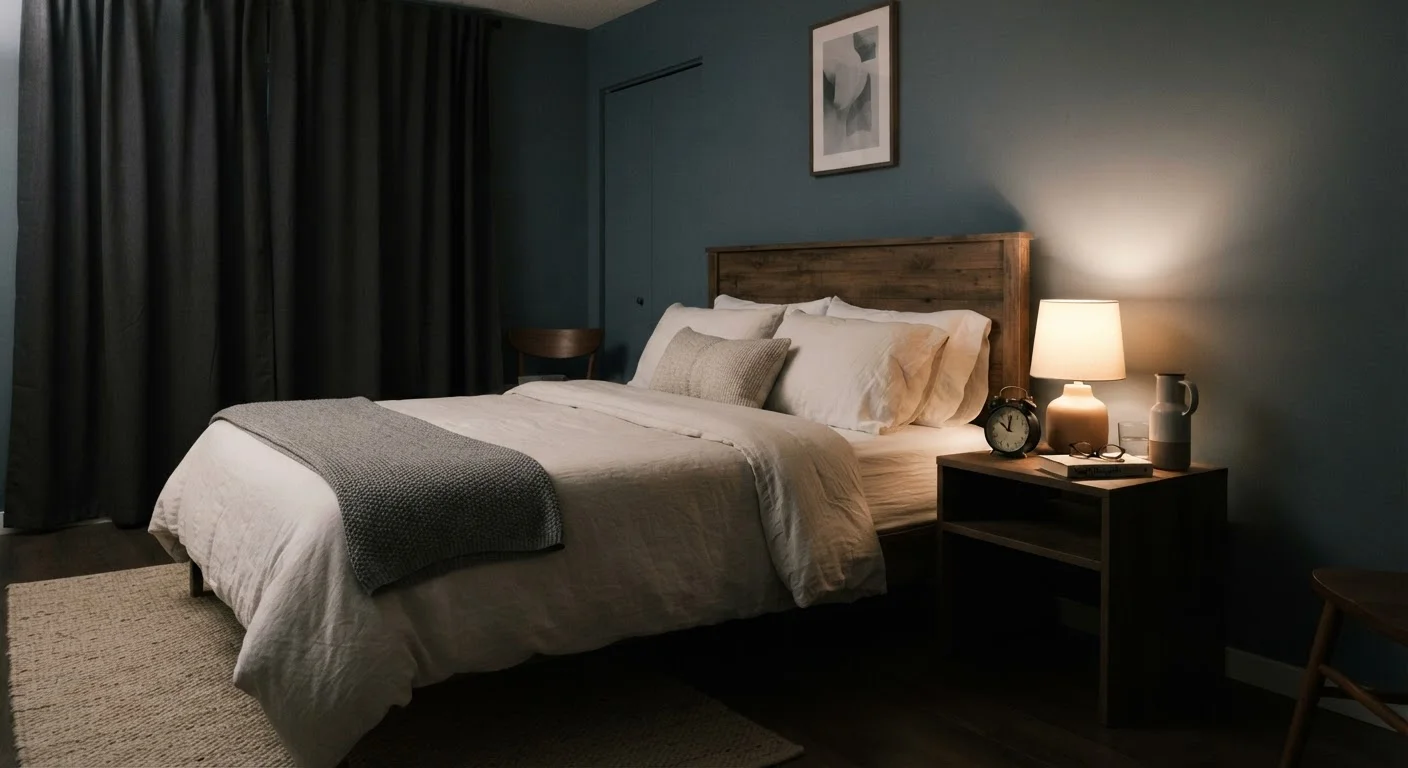
Most people focus on when they go to bed, but research consistently shows that where you sleep — the physical conditions of your bedroom — is an equally powerful driver of how quickly you fall asleep and how restorative that sleep turns out to be. Unlike genetics or work schedules, your environment is largely within your control.
This checklist walks you through four evidence-backed domains: light, temperature, noise, and device use. Work through it in a single evening audit, then revisit it seasonally or whenever your sleep quality shifts. For a broader look at habit-level sleep hygiene, see Sleep Hygiene: A Complete Framework for Better Nights.
This Is Not Medical Advice
The items in this checklist reflect general, publicly established sleep hygiene principles and are intended for educational purposes only. Persistent sleep difficulties — including chronic insomnia, sleep apnea symptoms, or significant daytime impairment — require evaluation by a qualified healthcare professional. Do not use this checklist as a substitute for personalized medical guidance.
This checklist is general educational information, not medical advice. If you experience persistent insomnia, frequent nighttime waking, or daytime impairment, please consult a qualified healthcare provider before making changes to your sleep routine.
Light
Temperature
Noise
Devices and Screens
Clutter and Cognitive Load
What to Do After the Audit
Resist the urge to fix every item at once. Choose one or two changes per week — starting with whichever domain feels most disruptive. Behavioral sleep research suggests that environmental improvements compound: addressing light first, for example, often makes temperature and noise issues feel less intrusive because the circadian system is better calibrated.
Once your bedroom environment is optimized, the next lever is your behavioral wind-down routine. Evening Rituals That Signal Your Brain It's Time to Wind Down pairs well with this audit as a companion guide. And if you want a deeper dive into the science behind the specific targets in this checklist, Temperature, Darkness, and Quiet: The Bedroom Conditions Sleep Scientists Recommend explains the research behind each recommendation.
Don't Overlook the Morning Connection
Your pre-sleep environment does not operate in isolation — the habits and light exposure you accumulate during the day shape your circadian readiness at night. If bedroom optimizations alone are not improving your sleep, your daytime and morning routines may need attention too.
Your sleep environment audit and your morning routine are two halves of the same system. A well-structured start to the day can reinforce consistent sleep timing at night. Use Your Morning Routine Audit to close the loop.
This article is for informational purposes only and is not a substitute for professional medical advice, diagnosis, or treatment. Always consult a qualified healthcare professional with questions about your sleep health or any medical condition.