

| Estimated gut microbial cells | ~38 trillion (Sender et al., Cell, 2016) |
| Microbial genes vs. human genes | ~150x more microbial genes (Human Microbiome Project estimates) |
| Primary site of microbiome activity | Large intestine (colon) |
| Key SCFA produced by fiber fermentation | Butyrate, propionate, acetate |
| Diet change microbiome response time | As fast as 3–4 days (David et al., Nature, 2014) |
| Plant food variety target (emerging research) | 30+ different plant foods per week (American Gut Project findings) |
What the Microbiome Actually Is
The gut microbiome refers to the trillions of bacteria, fungi, viruses, and other microorganisms that colonize the human digestive tract — primarily the large intestine. Far from being passive passengers, these microbes influence digestion, immune signaling, nutrient synthesis, and even brain chemistry through pathways like the gut-brain axis.
| Estimated gut microbial cells | ~38 trillion (Sender et al., Cell, 2016) |
| Microbial genes vs. human genes | ~150x more microbial genes (Human Microbiome Project estimates) |
| Primary site of microbiome activity | Large intestine (colon) |
| Key SCFA produced by fiber fermentation | Butyrate, propionate, acetate |
| Diet change microbiome response time | As fast as 3–4 days (David et al., Nature, 2014) |
| Plant food variety target (emerging research) | 30+ different plant foods per week (American Gut Project findings) |
Research into the microbiome has expanded dramatically over the past two decades, but scientists are still mapping which microbial compositions correlate with better health outcomes versus which are incidental. What is well-supported is that diversity — a broad range of microbial species — is generally associated with resilience and better metabolic function. Reduced diversity has been linked to conditions ranging from inflammatory bowel disease to metabolic syndrome, though causality in many cases remains under active investigation.
Diet: The Most Direct Lever
What you eat shapes your microbiome faster and more consistently than almost any other factor. Gut bacteria ferment dietary fibers — plant-based carbohydrates humans cannot digest directly — producing short-chain fatty acids (SCFAs) like butyrate that nourish the gut lining and support immune regulation. Dietary fibre is, in this sense, food for your microbiome as much as it is food for you.
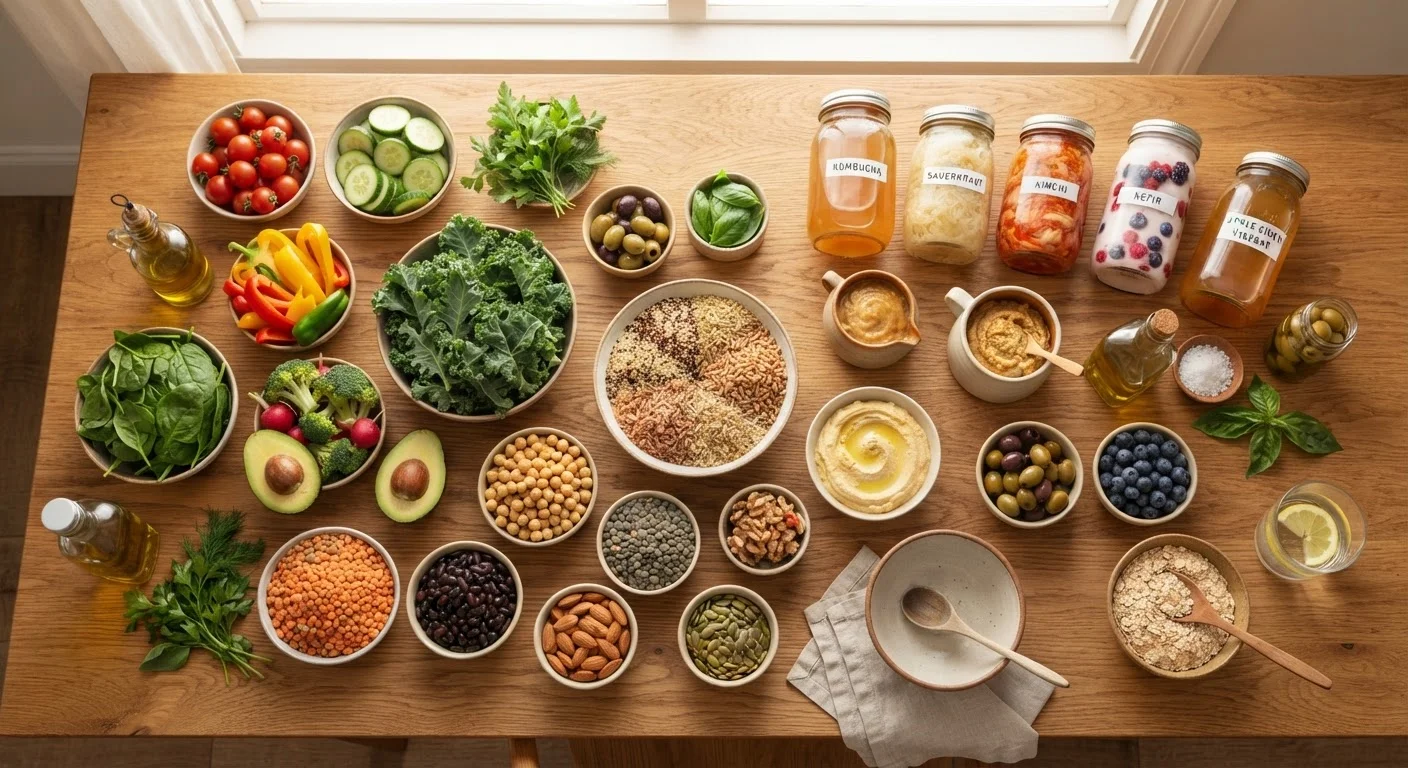
Regularly including a variety of plant foods — vegetables, legumes, whole grains, fruits, nuts, and seeds — is associated with higher microbial diversity in observational studies. The operative word is variety: different fiber types feed different bacterial strains, so dietary breadth matters as much as quantity.
Fermented foods such as yogurt, kefir, sauerkraut, and kimchi introduce live microorganisms that can transiently influence gut composition. Fermented foods and probiotic supplements differ meaningfully in how they interact with existing gut flora — understanding that difference can help you make more informed choices. Conversely, diets high in ultra-processed foods, refined sugars, and saturated fats are consistently linked to reduced microbial diversity and elevated inflammatory markers.
Microbiome
The collective community of microorganisms — bacteria, viruses, fungi, and others — living in and on the human body, particularly concentrated in the gut.
Short-chain fatty acids (SCFAs)
Compounds produced when gut bacteria ferment dietary fiber. Butyrate, the most studied, helps nourish colon cells and supports immune regulation.
Gut-brain axis
The bidirectional communication network linking the gut and brain via the vagus nerve, immune signals, and microbial metabolites, influencing both digestion and mood.
Dysbiosis
An imbalance in the gut microbial community — often characterized by reduced diversity or overgrowth of potentially harmful species — associated with various health conditions.
Prebiotics
Non-digestible food components, primarily certain fibers, that selectively feed and support the growth of beneficial gut bacteria.
Probiotics
Live microorganisms, found in fermented foods and supplements, that when consumed in adequate amounts may confer a benefit to the host's gut environment.
Sleep, Stress, and the Gut-Brain Connection
The gut and brain communicate bidirectionally via the vagus nerve, immune pathways, and microbial metabolites. This means psychological stress doesn't stay in your head — it can alter gut permeability, slow motility, and shift bacterial populations. Chronic stress has been shown in research to reduce populations of beneficial genera like Lactobacillus while increasing markers of gut inflammation.
Sleep is similarly intertwined. The microbiome operates on its own circadian rhythm; disrupted sleep patterns — particularly irregular sleep timing — have been associated with shifts in microbial composition and reduced SCFA production. Small, consistent stress-reduction habits practiced daily may therefore benefit gut health indirectly but meaningfully.
The relationship between gut health and emotional wellbeing also extends to what you eat day to day — explore food and mood connections for a broader look at how nutrition shapes mental clarity and resilience.
Physical Activity, Antibiotics, and Other Modifiers
Regular moderate-intensity physical activity has been independently associated with greater microbial diversity and higher concentrations of butyrate-producing bacteria in several studies. The mechanisms are not fully understood, but improved gut motility, reduced systemic inflammation, and changes in immune signaling are all proposed contributors. Lifestyle patterns that reduce chronic inflammation overlap substantially with habits that support a healthier microbiome.
Antibiotic use is one of the most powerful disruptors of microbial balance. While antibiotics are sometimes medically necessary and life-saving, they can reduce diversity significantly — effects that may persist for weeks to months. If you've been prescribed antibiotics, speak with your healthcare provider about any supportive measures that may be appropriate for your situation.
Emerging research also connects gut microbiome health to skin clarity through what's sometimes called the gut-skin axis. The connection between gut health and skin clarity offers a deeper look at what that science currently shows.
This article is for general informational purposes only and does not constitute medical advice. Always consult a qualified healthcare professional for personalized guidance on gut health or any medical concerns.